

How to Match a Fifth-Wheel or Gooseneck Trailer to a GMC Sierra HD
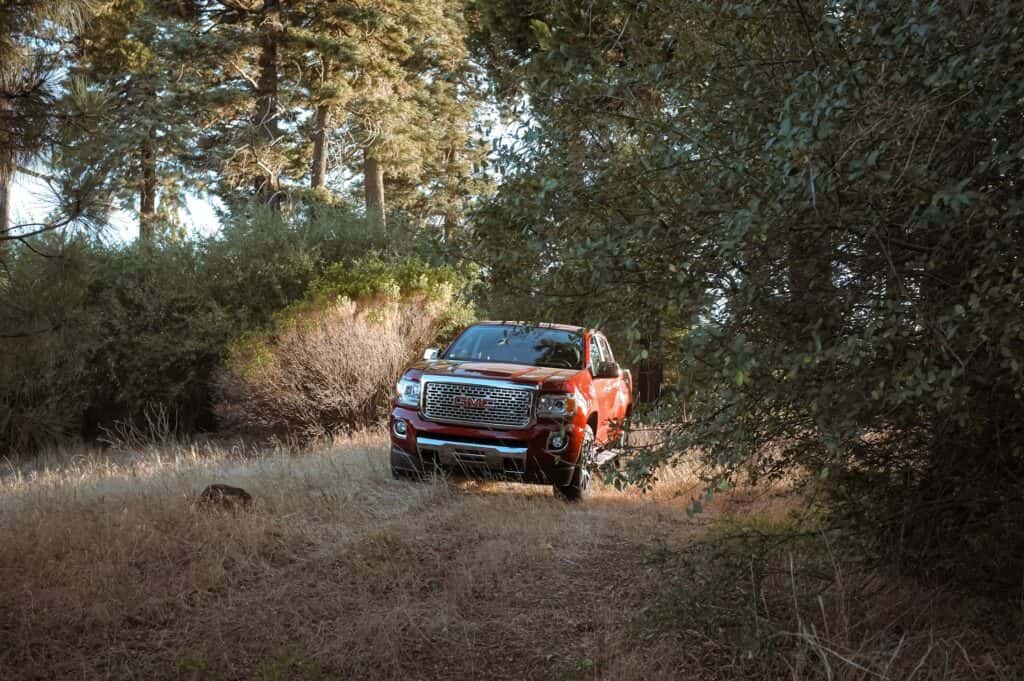
A GMC Sierra HD can match a fifth-wheel or gooseneck trailer when the exact truck has appropriate towing capacity, payload, axle capacity, hitch compatibility, and capacity for passengers and cargo for the hitch type and trailer being used. The right answer comes from comparing the truck and trailer together, not from relying on one maximum towing number.
At Freeman Buick GMC, we help drivers in Grapevine, the DFW Airport area, Dallas, Fort Worth, and Irving compare heavy-duty truck setups in practical terms. As a family owned and operated dealership serving the Metroplex since 1952, we encourage shoppers to confirm the labels on the specific truck and the trailer manufacturer’s weight information before narrowing their choices.
Which Sierra HD Ratings Must Match Your Fifth-Wheel or Gooseneck Trailer?
Sierra 2500 HD and Sierra 3500 HD trucks can vary by trim, cab, bed length, engine, drivetrain, axle equipment, trailering setup, and hitch type where applicable. That means a rating for one truck does not automatically apply to another truck with a similar name.
For a more accurate match, compare these numbers for the exact truck and trailer:
- Loaded trailer weight, not only the trailer’s dry weight
- Loaded pin weight for a fifth-wheel
- Loaded ball load for a gooseneck
- Truck payload shown on its door-jamb label
- Gross Combined Weight Rating, often called GCWR
- Rear-axle load or rear Gross Axle Weight Rating, often called rear GAWR
- Hitch limits
- Weight of hitch hardware, passengers, pets, tools, and bed cargo
A fifth-wheel or gooseneck towing rating tells you how much trailer weight a truck may be rated to pull in a specific configuration. Payload is different. Payload is the total weight the truck can carry, including the applicable hitch load, installed hitch hardware, people, and cargo. A trailer can fit within a truck’s towing rating and still exceed payload, axle, or hitch limits.
What Do The Major Weight Terms Mean?
These terms can feel technical at first, but each one plays a clear role in Sierra HD fifth-wheel and gooseneck towing.
Gross Vehicle Weight Rating, or GVWR, is the maximum allowed weight of the loaded truck itself. Gross Axle Weight Rating, or GAWR, is the limit for weight carried by each axle. Because fifth-wheel and gooseneck trailers place weight over the rear of the truck, rear-axle capacity deserves close attention.
Curb weight is the truck’s weight as equipped before passengers and cargo are added. Payload is the difference between the truck’s GVWR and its actual empty weight as equipped. GCWR is the maximum combined weight of the loaded truck and loaded trailer.
Loaded pin weight is the portion of a fifth-wheel trailer’s loaded weight carried in the truck bed through the hitch. Loaded ball load is the portion of a gooseneck trailer’s loaded weight carried through the ball and coupler system. Either load counts against available payload along with hitch hardware, passengers, and cargo. It changes as water, supplies, gear, and personal items are added, so a realistic ready-to-travel trailer weight is more useful than dry weight alone.
How Do Cab, Bed, And Hitch Choices Affect Fit?
Truck fit is about more than weight. Cab style and bed length can affect payload, wheelbase, turning room, and hitch placement. The trailer’s front-cap design matters too, because the trailer needs enough clearance from the cab during turns.
A fifth-wheel hitch uses jaws to secure the trailer’s kingpin. A gooseneck coupler attaches to a ball in the truck bed. Check the truck’s rating for the hitch type you’ll actually use, along with the hitch and trailer manufacturers’ compatibility, installation, and clearance requirements.
Before settling on a combination, confirm:
- The installed fifth-wheel hitch or gooseneck ball/coupler system is approved for the exact truck, trailer, and expected load
- Hitch or ball/coupler installation follows the manufacturer’s requirements
- Bed length and hitch position provide suitable turning clearance
- The trailer’s front cap clears the cab in tighter turns
- The truck’s axle and tire ratings support the loaded setup
We also recommend comparing gas and Duramax diesel Sierra HD configurations separately. Engine choice is only one piece of the match, since drivetrain, cab, bed, axle equipment, trailering hardware, and hitch type where applicable can all affect ratings.
If you are comparing trucks in stock, our 2026 GMC Sierra HD model overview is a practical place to begin for reviewing Sierra HD configurations. It also helps to keep lighter-duty models separate. A Sierra 1500 has its own ratings and should not be treated as interchangeable with a Sierra HD.
How Can You Confirm A Sierra HD Fifth-Wheel or Gooseneck Towing Match?
Start with the trailer’s manufacturer weight label. Note its cargo capacity, GVWR, dry weight, and any published pin-weight or ball-load information. Then estimate what the trailer will weigh when it is loaded for travel, including water, supplies, and personal belongings.
Next, verify the exact truck and trailer combination using the realistic loaded trailer weight, applicable loaded pin weight or loaded ball load, combined weight, rear-axle load, payload, and hitch limits. Add the hitch hardware, passengers, pets, tools, and anything else carried in the cab or bed. Compare the loaded trailer weight with the applicable GMC towing rating, and keep fifth-wheel and gooseneck ratings separate wherever GMC specifies different limits.
Door-jamb labels and GMC documentation are more useful than a general online maximum because they apply to the truck in front of you. Confirm the truck’s installed equipment and ratings before finalizing a towing setup.
If you are preparing for ownership costs at the same time, our online finance application can help you plan ahead while you compare configurations. For ongoing truck care after purchase, Freeman Buick GMC also offers a service center for Sierra HD maintenance.
How Should You Treat EV And Other Truck Comparisons?
Electric truck figures should stay separate from Sierra HD towing information. Models such as the Sierra EV have their own specifications and should not be used as a stand-in for Sierra HD fifth-wheel or gooseneck towing guidance.
The same goes for cross-shopping within the GMC truck lineup. A lighter-duty truck, a heavy-duty truck, and an electric truck may all serve different needs, even if they share similar branding.
How Can You Compare Fifth-Wheel And Gooseneck Setups In Grapevine?
Freeman Buick GMC is located at 501 West State Hwy 114, Grapevine, TX 76051. Call our Sales team at (877) 267-1495 to discuss fifth-wheel and gooseneck configurations. The most useful comparison starts with your realistic trailer weight, loaded pin weight for a fifth-wheel or loaded ball load for a gooseneck, hitch type, passenger count, and the cargo you expect to carry in the truck.
Find the Right Sierra HD for Your Fifth-Wheel or Gooseneck Trailer
At Freeman Buick GMC, our team can help you compare Sierra HD configurations and available equipment for fifth-wheel and gooseneck trailer use. We can discuss the truck features that support your camping plans and help you review current Sierra HD options, while the ratings and compatibility documentation for the exact truck, hitch, and trailer remain essential. When you are ready to continue the conversation, contact us for assistance.
FAQs
What Numbers Are Most Important When Matching A Fifth-Wheel Or Gooseneck Trailer?
Loaded pin weight for a fifth-wheel and loaded ball load for a gooseneck must be treated separately. Either load reduces available payload along with hitch hardware, passengers, pets, and cargo, and the truck must also support the trailer’s realistic loaded weight.
Does A Duramax Diesel Have The Same Fifth-Wheel Or Gooseneck Towing Rating On Every Sierra HD?
No. Gas and Duramax diesel ratings should be reviewed separately for the exact model year and configuration. Cab style, bed length, drivetrain, axle equipment, trailering setup, and hitch type can all change fifth-wheel or gooseneck ratings.
Can A Fifth-Wheel Or Gooseneck Trailer Fit The Trailer Rating But Still Be Too Heavy For The Truck?
Yes. Either trailer type can fall within the truck’s towing rating and still exceed payload, rear-axle capacity, or hitch limits once its applicable hitch load, passengers, cargo, and equipment are added. Check the exact combination for loaded trailer weight, combined weight, rear-axle load, payload, and hitch limits.
What Creates A More Confident Sierra HD Towing Plan For Either Hitch Type?
A more confident towing plan aligns the trailer’s realistic loaded weight and applicable hitch load with the truck’s documented towing rating, payload label, axle limits, hitch fit, and installed equipment. GMC fifth-wheel and gooseneck ratings must not be treated as interchangeable when GMC lists distinct limits.

0 comment(s) so far on How to Match a Fifth-Wheel or Gooseneck Trailer to a GMC Sierra HD