


How to Spec a GMC Sierra as a Work Truck
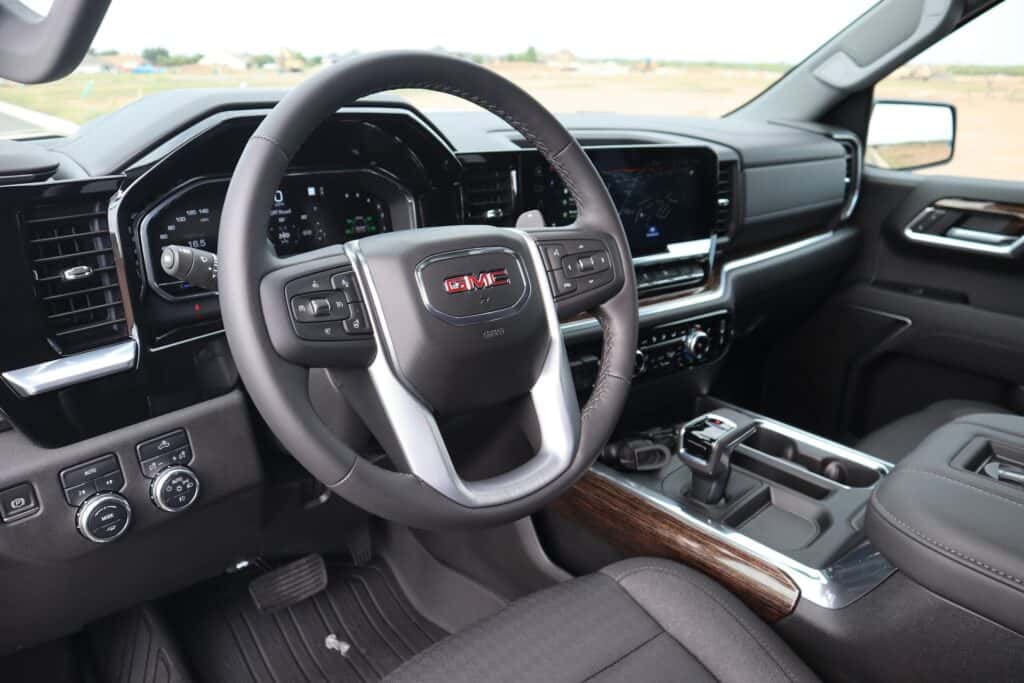
Which Sierra Setup Matches Your Workday?
A work-ready GMC Sierra starts with the heaviest job you handle regularly, not a maximum-rating headline or a fancy appearance package. Start by listing your loaded trailer weight, bed cargo, crew size, route conditions, equipment, and how often you tow before narrowing the truck. A Sierra 1500 can fit lighter-duty hauling, commuting, and occasional trailer work, while a Sierra HD may make more sense when heavy trailers or substantial payloads are part of the normal routine.
Work needs around Grapevine, the DFW Airport area, Dallas, Fort Worth, and Irving vary widely. The half-ton vs. three-quarter-ton truck choice comes down to your real workload, then the cab, bed, powertrain, drivetrain, and equipment that support it. Freeman Buick GMC is at 501 West State Hwy 114, Grapevine, TX 76051. Call Sales at (877) 267-1495.
How Does Half-Ton Vs. Three-Quarter-Ton Truck Fit?
The terms half-ton and three-quarter-ton are useful shorthand, but they are not exact payload ratings. Sierra 1500 and Sierra HD models have different frames, suspensions, powertrain choices, and configuration-specific capability ratings. That means two trucks with similar-looking beds may be built for very different work cycles.
A Sierra 1500 may fit a business that needs a truck for daily driving, lighter equipment trailers, tools, materials, and jobsite flexibility. Its size can also be helpful when the workday includes crowded parking areas, neighborhood streets, and frequent stops.
A Sierra 2500 HD can be worth evaluating when larger equipment trailers, heavier materials, or recurring towing are normal parts of the job. Rather than shopping by badge alone, compare the exact truck you are considering. The new GMC truck selection can help show how available configurations differ.
Keep gasoline Sierra 1500 planning separate from Sierra HD gasoline and Duramax diesel planning. Any towing or payload figure must match the exact model, trim, engine, cab, bed, drivetrain, axle, and trailering equipment.
What Payload, Towing, And Bed Needs Define The Build?
Payload is more than the tools tossed into the bed. It includes people in the cab, job boxes, materials, hitch equipment, added accessories, and anything else carried by the truck. Installed equipment can change the payload rating, so the door-jamb label and vehicle-specific details matter.
Before selecting a Sierra, create a plain-language work list:
- Typical bed cargo, tools, materials, and storage boxes
- Number of passengers during a normal workday
- Loaded trailer weight and cargo weight
- Trailer tongue weight, hitch style, and brake needs
- How often the truck tows versus drives unloaded
Bed length deserves the same attention. A shorter bed may make a truck easier to place in tighter spaces, while a longer bed can provide more room for materials, tool storage, and equipment. Cab and bed combinations can vary by Sierra model and availability, so review the actual configuration instead of relying on a stock photo. You can also compare available GMC truck configurations as part of your planning.
Which Cab, Drivetrain, And Powertrain Support The Job?
Cab choice affects more than passenger comfort. Depending on current Sierra availability, regular cab, double cab, and crew cab layouts can change interior storage, rear-seat room, bed length choices, and capability ratings. A work crew that carries people and gear every day may need different space than an owner-operator who mainly carries materials.
Drivetrain is another practical decision. Two-wheel drive may suit paved routes, predictable work sites, and fleets focused on everyday road use. Four-wheel drive may fit changing jobsite surfaces, uneven access roads, and certain towing routes. Neither setup is automatically right for every business.
Powertrain planning should match the work cycle. Gasoline engines may fit drivers with mixed daily use and occasional towing. Duramax diesel power may be worth considering when recurring heavy towing, longer routes, idle time, and maintenance planning point in that direction. Gasoline and diesel discussions should stay separate because output, towing ratings, payload, and equipment needs can change by configuration.
Which Work Features Improve Daily Efficiency?
The right equipment can make routine loading, hitching, organizing, and unloading less frustrating. Work-focused features to verify on a specific Sierra may include cargo-bed lighting, tie-down provisions, bed steps, hitch guidance tools, trailering technology, power outlets, and storage solutions.
Start with the equipment that supports the job itself:
- Cargo management for tools and materials
- Trailering equipment matched to the trailer
- Steps and lighting for frequent loading
- Power access for approved work equipment
- Storage that keeps the cab and bed organized
Optional packages can affect curb weight, tires, payload, towing equipment, and overall capability. For that reason, review the actual equipment list and window label for the truck in front of you. Fleet buyers and owner-operators can keep decisions simple by choosing job-required equipment first, convenience features second, and comfort or technology preferences last.
What Should You Confirm Before Selecting A Work Sierra?
Before finalizing a work-truck build, confirm the intended payload, loaded trailer weight, cab occupancy, bed length, drivetrain, engine, axle, trailering equipment, accessory weight, and local operating conditions. A truck that works well on paper still needs to fit the way your crew loads it and uses it each week.
VIN-specific equipment deserves review before making a final comparison. Broad trim descriptions and stock photos cannot confirm every capability detail. Match VIN-specific ratings and equipment to the regular work cycle, including passengers, cargo, trailer setup, and the conditions the truck handles most often.
Match Your Sierra To the Work Ahead
Compare current truck options with our half-ton vs. three-quarter-ton truck selection and narrow the configurations that suit your daily demands. At Freeman Buick GMC, our team can help you review cab, bed, engine, and towing considerations in one place. Contact us with your work-truck needs or questions. Freeman Buick GMC is at 501 West State Hwy 114, Grapevine, TX 76051. Call Sales at (877) 267-1495.
FAQs
Is A GMC Sierra 1500 Enough For A Work Truck?
A Sierra 1500 can be enough when its verified payload, towing setup, bed cargo needs, and trailer frequency fit your normal workload. Review the exact configuration, including cab, bed, engine, drivetrain, trim, and installed equipment, before deciding.
When Does A Sierra 2500 HD Make More Sense Than A Sierra 1500?
A Sierra 2500 HD may deserve consideration when recurring work includes heavier trailers, larger equipment, or substantial bed payloads. The decision is not automatic, since the right choice depends on the truck’s actual ratings and how often those heavier tasks occur.
Does Cab Size Affect Sierra Payload And Towing?
Yes. Cab size, bed length, drivetrain, engine, trim, tires, trailering equipment, and added features can affect payload and towing ratings. Review the specific truck rather than assuming every Sierra with the same nameplate has the same capability.
Should Work-Truck Buyers Consider Gasoline Or Duramax Diesel Power?
The choice depends on your work cycle. Gasoline power may fit mixed driving and occasional towing, while Duramax diesel planning may fit recurring heavy towing and longer routes. Ratings and operating details should always be reviewed separately for the exact Sierra configuration.

0 comment(s) so far on How to Spec a GMC Sierra as a Work Truck